When you’re dealing with colon cancer, what you eat and drink can affect how you feel day to day—especially during treatment. There isn’t one “perfect" menu for everyone, but there are common items that can worsen symptoms like diarrhea, cramping, nausea, reflux, and fatigue.
Important
This is general nutrition info, not personal medical advice. Your oncology team or a registered dietitian should tailor guidance to your treatment (surgery, chemo, radiation) and your symptoms.
1) Sugary & Carbonated Drinks to Avoid
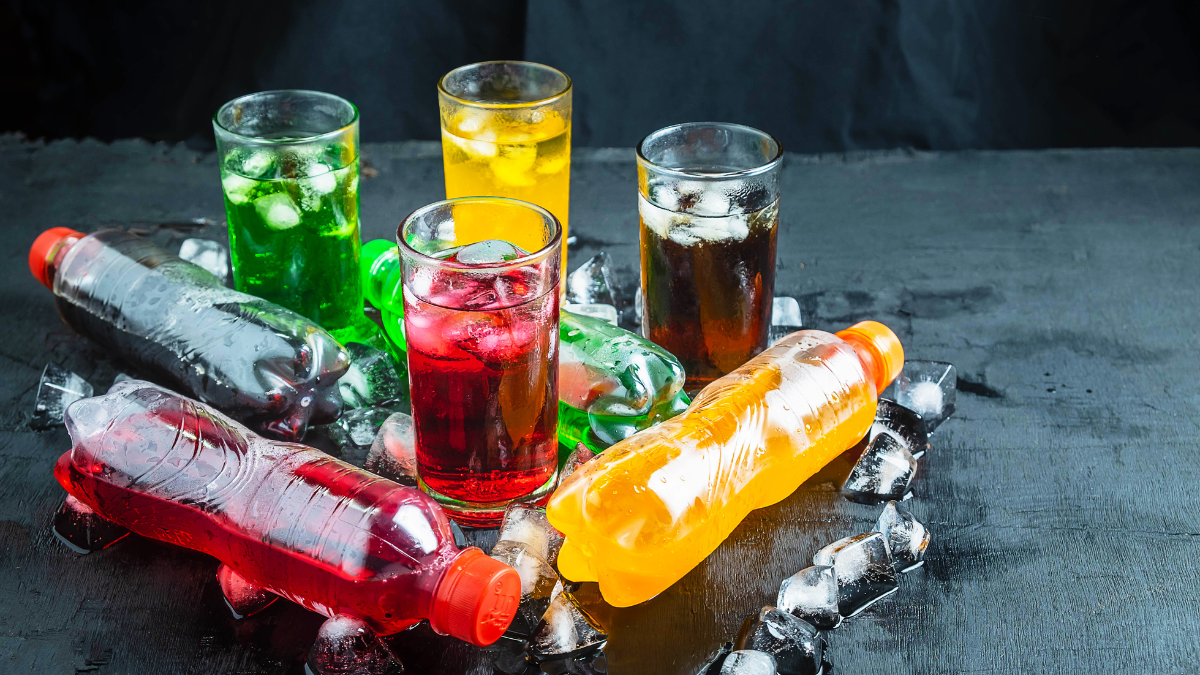
Sugary drinks can crowd out nutrients and may make blood sugar swings and fatigue worse. Carbonation can increase gas and bloating—especially if you’re already dealing with bowel changes.
Common sugary/carbonated drinks to avoid (or keep very occasional):
- Regular soda (cola, lemon-lime, root beer, orange soda)
- Diet soda (still carbonated; can worsen gas/bloating for some people)
- Energy drinks
- Sweetened iced tea
- Sweet coffee drinks (flavored lattes, bottled frappé-style drinks)
- Sports drinks with added sugar (unless your care team uses them for rehydration)
- Fruit punch, lemonade “cocktails," and sugary drink mixes
- Sparkling fruit beverages and soda-based mocktails
If diarrhea is a problem, also limit caffeine and alcohol, and be cautious with fizzy drinks—they can irritate the gut for many people.
2) Alcohol (Yes, Even “Just One" Sometimes)
Alcohol can irritate the digestive tract, worsen dehydration, and may make treatment side effects harder to manage. If you have diarrhea, mouth sores, or poor appetite, alcohol often adds fuel to the fire. Ask your oncology team what’s safe for you—many people are advised to avoid it during active treatment.
3) Processed Meats & Charred/Smoked Meats
Processed meats are linked with colorectal cancer risk and are generally a “don’t make this your regular habit" food. They can also be hard on digestion and high in sodium.
- Bacon, sausage, hot dogs, deli meats, pepperoni
- Smoked/cured meats and heavily charred grilled meats
4) Greasy, Fried, and Very Fatty Foods
High-fat, fried foods can trigger diarrhea, nausea, reflux, and cramping—especially after bowel surgery or during chemo.
- Deep-fried foods (fries, fried chicken, donuts)
- Very creamy sauces, heavy fast food meals, greasy pizza
- Large portions of butter-heavy or oil-heavy dishes
5) Very Spicy or Highly Acidic Foods (If You Have Irritation)
Spices and acids aren’t “bad" for everyone, but if you have bowel irritation, heartburn, or diarrhea, these often make symptoms worse.
- Hot peppers, chili-heavy dishes, very spicy sauces
- Citrus juices (orange, grapefruit), tomato-heavy spicy dishes
- Vinegar-heavy foods (pickles, some hot sauces)
6) High-Fiber “Rough" Foods During Diarrhea or After Surgery
Fiber is usually healthy, but during flares of diarrhea, cramping, or right after some surgeries, your care team may recommend a temporary low-fiber/low-residue approach.
| Often troublesome (when diarrhea/cramping is active) | Why it may be an issue |
|---|---|
| Raw veggies, big salads, cabbage/broccoli/cauliflower, corn Beans/lentils (for some people) Whole grains and high-bran cereals Nuts, seeds, popcorn | Can increase gas, speed up the gut, and irritate a sensitive bowel. |
7) Ultra-Processed Snacks & Desserts
Cookies, chips, packaged pastries, and candy aren’t “poison," but they’re low in nutrients and can worsen fatigue and appetite problems. They’re also often high in added sugar, salt, and additives that don’t help your body recover.
Smart “Avoid" Rule: Let Your Symptoms Decide
Colon cancer treatment can change digestion fast. If a food repeatedly causes gas, urgency, cramps, or nausea, that’s your cue to pause it and bring it up at your next appointment. Keep a simple food-and-symptom note for a week—your stomach will basically write the report for you.
When to call your care team:
- Diarrhea that lasts more than 24 hours, or signs of dehydration (dizziness, very dark urine)
- Severe belly pain, persistent vomiting, or inability to keep fluids down
- Blood in stool or sudden major bowel changes
Bottom line: focus on gentle, hydrating choices and limit sugary drinks, alcohol, processed meats, fried foods, and anything that triggers your symptoms. Your goal isn’t a “perfect diet"—it’s feeling better and staying nourished.